
Will USDC Be Flagged? Exploring Regulatory Risks and Stablecoin Security
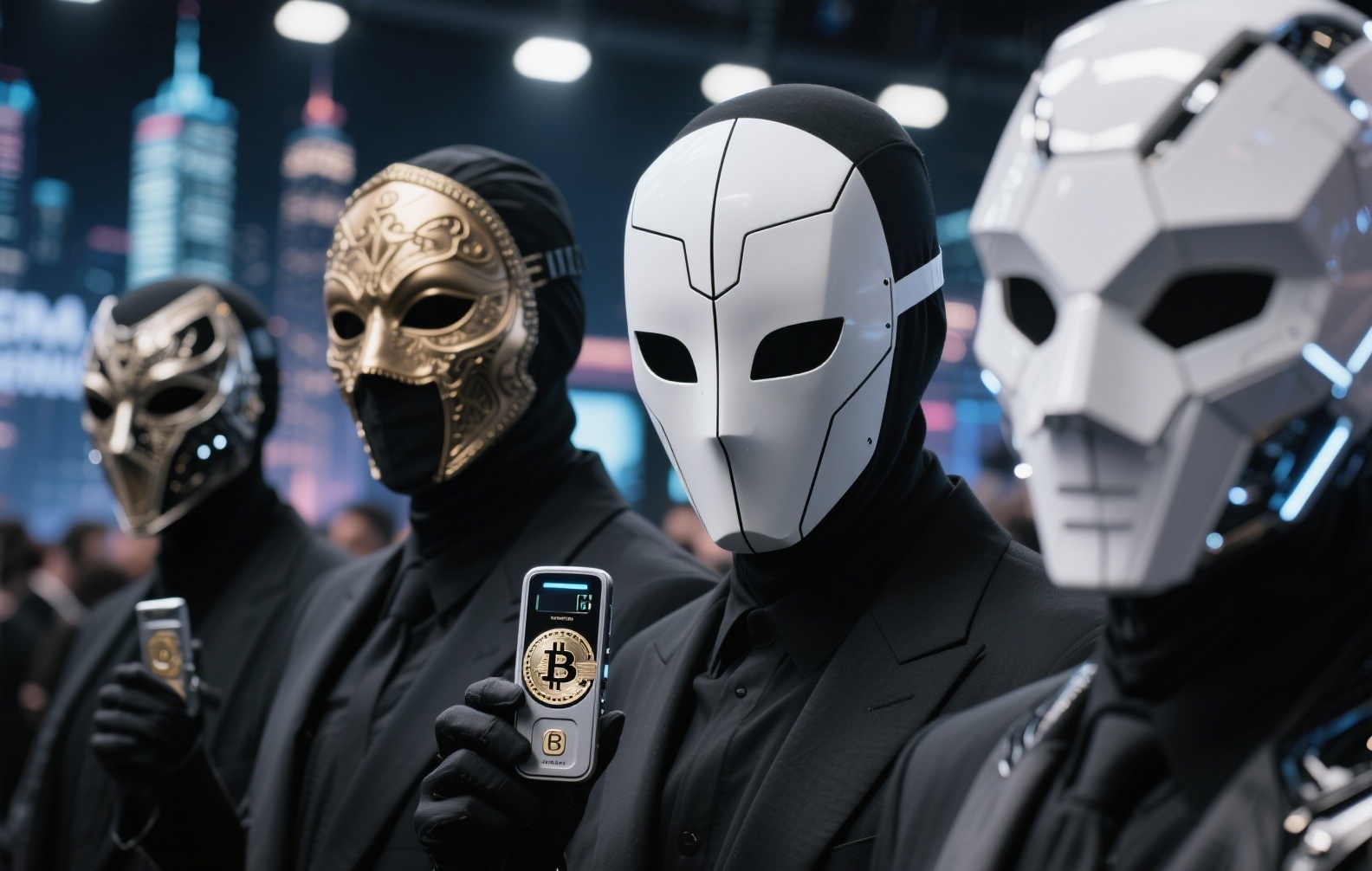
The question "Will USDC be flagged?" is echoing through the cryptocurrency community, reflecting deep-seated concerns about regulatory overreach and the future of the world's second-largest stablecoin. Unlike its decentralized rival, USDT, USD Coin (USDC) is issued by regulated financial entities, primarily Circle, and is fully backed by cash and short-duration U.S. Treasuries. This structure, designed for transparency and compliance, ironically places it directly in the crosshairs of evolving financial regulations. The core fear isn't about solvency but about the potential for regulatory "flagging"—where authorities could freeze or blacklist specific wallet addresses holding the asset, effectively immobilizing funds.
This risk stems from the very feature that defines permissioned stablecoins: centralized control for compliance. Issuers like Circle have the technical capability, often mandated by law, to freeze tokens associated with addresses linked to illegal activities such as sanctions violations, terrorism financing, or other crimes. We have already seen this power exercised in limited cases. Therefore, the pertinent question evolves from "if" to "to what extent." A broad, systemic flagging of USDC seems improbable as it would undermine global trust in the U.S. dollar-denominated digital asset ecosystem and disrupt legitimate commerce. However, targeted, large-scale freezes against specific protocols or entities deemed non-compliant remain a plausible scenario, creating uncertainty for decentralized finance (DeFi) applications heavily reliant on USDC liquidity.
For users and investors, the implications are significant. The specter of flagging introduces counterparty risk beyond the issuer's balance sheet. It challenges the "stable" in stablecoin, not in terms of peg but in terms of accessibility. This has led to a nuanced market response: while many institutions prefer USDC for its regulatory clarity, some decentralized purists are diversifying into algorithmic or commodity-backed stablecoins to mitigate centralized control risk. The long-term trajectory of USDC will be dictated by the delicate dance between regulators seeking oversight and the industry's need for predictable, censorship-resistant rails for global finance. Ultimately, the stability of USDC hinges as much on political and legal frameworks as on the quality of its reserves.


发表评论